AndBeyond Klein's Camp | Serengeti Luxury Safari Guide

AndBeyond Klein's Camp: The Ultimate Insider Guide to the Serengeti's Most Remote Luxury Safari Lodge

Perched on the boulder-strewn ridgeline of the Kuka Hills, where Tanzania’s northern Serengeti dissolves into the rolling savanna of Kenya’s Maasai Mara, andBeyond Klein’s Camp occupies what many safari veterans consider the single most privileged address in East Africa. This establishment is not a lodge that shouts for attention. It earns it through a location so strategically placed within the Serengeti-Mara ecosystem that the Great Migration essentially unfolds on its doorstep; through ten tented cottages that feel simultaneously remote and deeply comfortable; and through an ethos that has defined the &Beyond brand for decades: care for the land, care for the wildlife, and care for the people.

When your light aircraft banks over the Kuka Hills and drops onto the private airstrip below, you first notice the scale of the wilderness around you. There are no other lodges visible. No power lines. No roads scar the horizon. Just a vast, tawny ocean of grass, broken by granite kopjes and the silver thread of the Mara River somewhere to the north. This is the northern Serengeti at its most uncompromised, and AndBeyond Klein’s Camp is your gateway into it.

What sets this lodge apart is not any single feature, though the game viewing is extraordinary, the guiding exceptional, and the food quietly outstanding, but the synthesis of all of them. Named after Al Klein, the American trader and entrepreneur who worked this remote borderland in the early twentieth century, the camp carries a sense of earned history alongside its modern comforts. Staying here feels less like checking into a hotel and more like someone welcoming you into a place that genuinely belongs in its landscape.

QUICK FACTS of AndBeyond Klein’s Camp

Location Kuka Hills, northern Serengeti, Tanzania
Bordering Reserve Maasai Mara National Reserve, Kenya
Number of Cottages 10 tented cottages
Price Range From approx. USD $1,500–$2,500+ per person per night (high season)
Best Season July–October (Great Migration peak); December–March (calving season)
Nearest Airstrip Klein’s Camp Airstrip (on-site private)
Flight from Arusha Approx. 1 hour 10 minutes
Flight from Kilimanjaro Approx. 1 hour 30 minutes
All-Inclusive Yes: game drives, meals, selected drinks, laundry
Conservation Partner Africa Foundation; &Beyond Wildlife Conservation Fund

Why AndBeyond Klein's Camp Stands Apart from Every Other Serengeti Lodge

AndBeyond Klein’s Camp is unique for one reason above all others: its position. No other permanent luxury lodge sits on the Tanzanian side of the Serengeti-Mara border with direct access to both the northern Serengeti’s resident game and the dramatic Mara River crossing grounds, the theatrical climax of the annual Great Migration.

Most Serengeti lodges require long game drives to intercept the migration. Guests at AndBeyond Klein’s Camp wake up in the migration. The wildebeest columns pass within sight of the dining area during peak July–October crossings, and the river itself with its famous crocodile-filled pools and the sheer, terrifying theater of half a million animals flinging themselves into churning water is accessible within minutes. That proximity is priceless and unrepeatable.

Architecture and Sense of Place

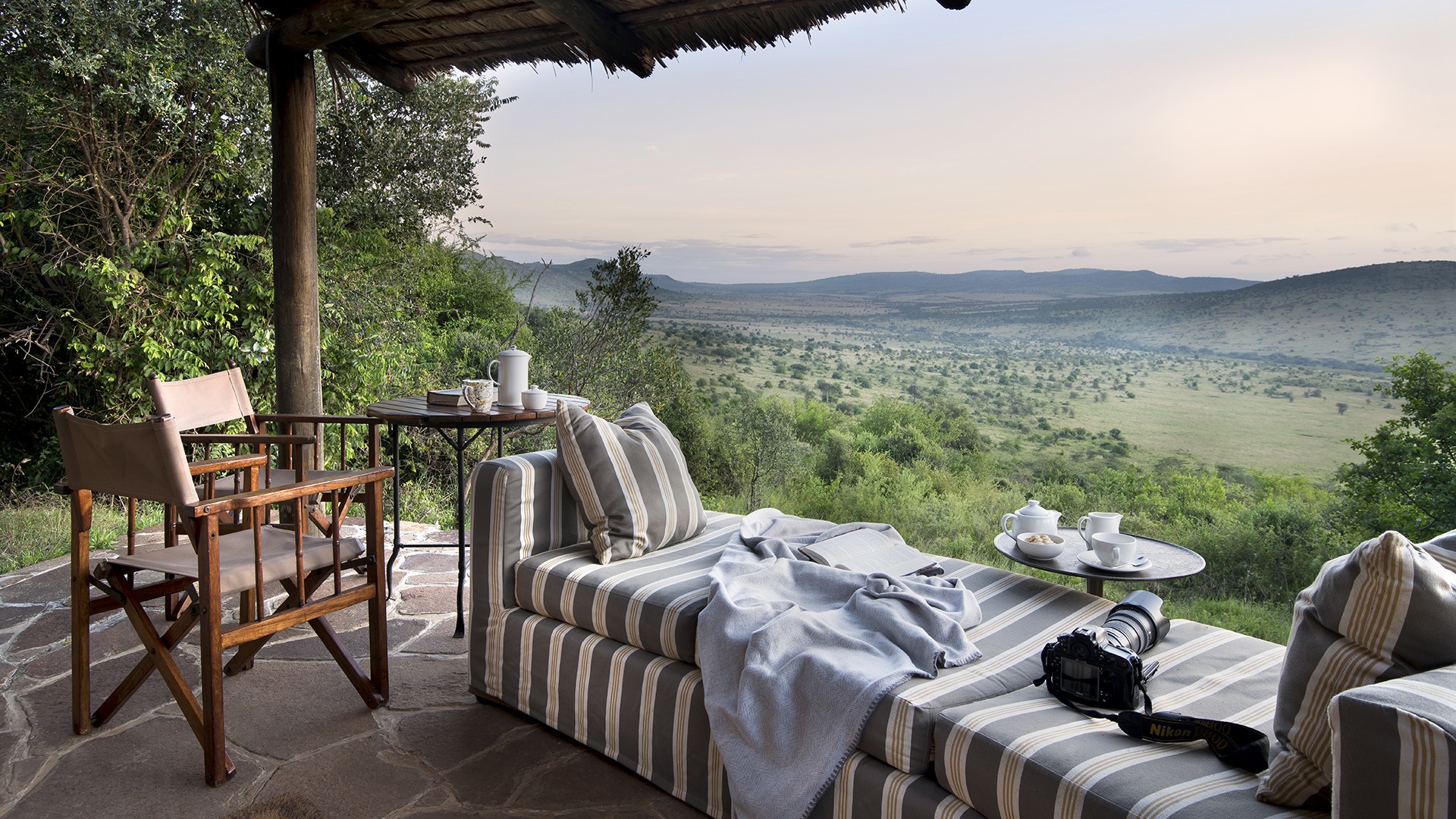
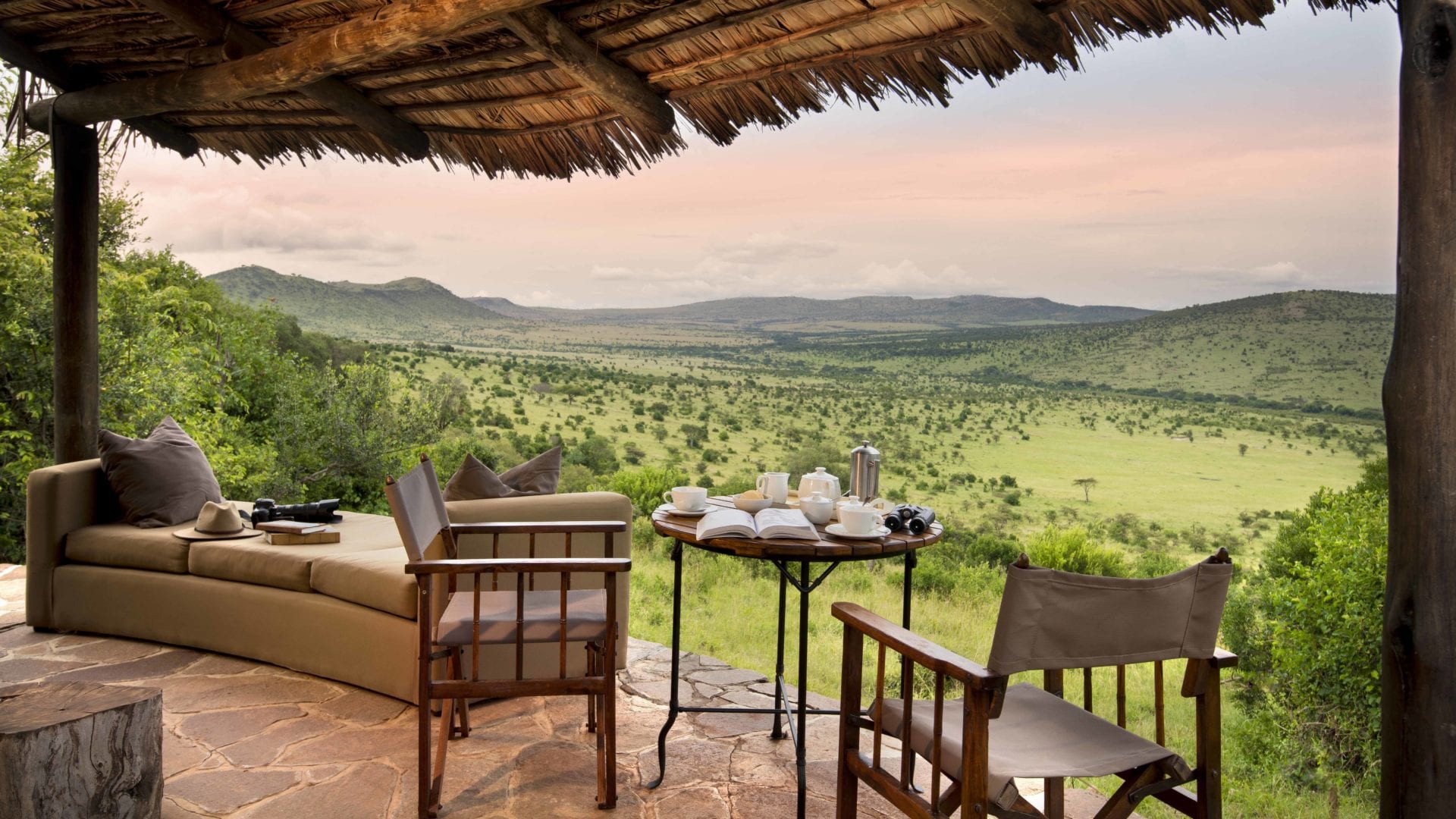
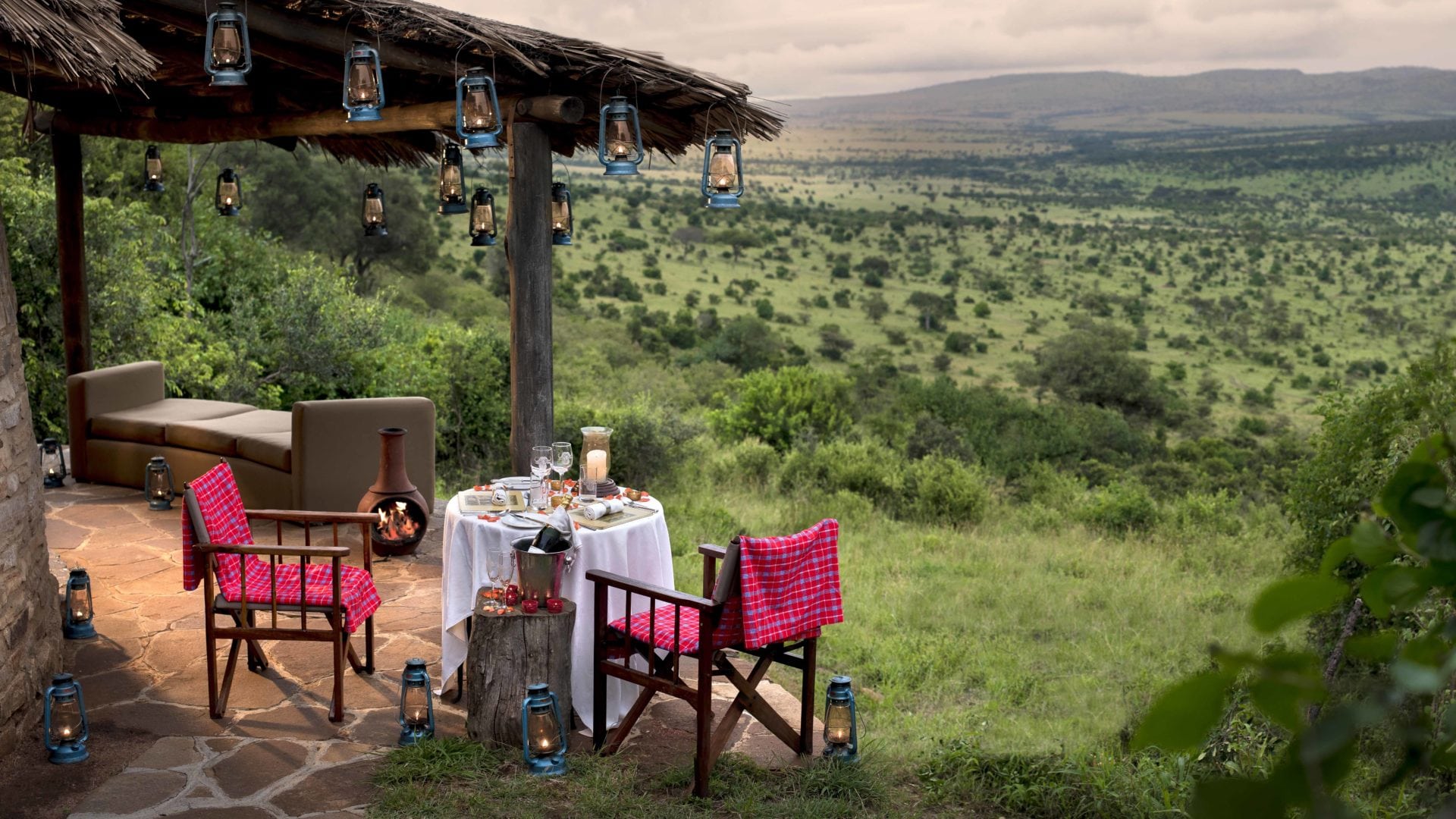
The design philosophy at &Beyond Klein’s Camp refuses the temptation of imposing grandeur on a landscape that requires nothing from human hands to be extraordinary. Ten stone-and-thatch cottages trace the natural contour of the hillside, constructed from locally sourced materials that warm and cool with the sun. Canvas walls, polished concrete floors softened with East African textiles, and wide wooden decks angled to catch the morning view across the valley all speak of place rather than display.

The main area, a double-story stone-and-timber structure sheltered beneath a soaring makuti thatch, anchors the camp with a fireplace-lit lounge, a well-curated library of African wildlife titles, and a bar that catches the last light of the day across an open horizon. The pool terrace overlooks the escarpment. Nothing feels assembled; everything feels found.

The &Beyond Brand Ethos

&Beyond is not simply a hospitality company; it is one of the most respected conservation operators on the African continent, managing lodges across 12 countries and stewarding over 9 million acres of wildlife land. Their guiding philosophy, Care of the Land, Care of the Wildlife, and Care of the People, is not a marketing tagline at andBeyond Klein’s Camp; it is the operational framework that governs everything from anti-poaching patrols to staff recruitment to the sourcing of the vegetables on your dinner plate.

Guests choosing this lodge are not just purchasing luxury accommodation; they are directly funding a model of safari tourism that has proven, over three decades, to make wilderness profitable enough to preserve.

Location and How to Get to AndBeyond Klein's Camp

Getting There by Air (Recommended)

The fastest and most atmospheric way to reach AndBeyond Klein’s Camp is by light aircraft from either Arusha, Kilimanjaro International Airport, or Dar es Salaam. Charter and scheduled flights operate to the private Klein’s Camp Airstrip, situated directly below the lodge on the valley floor.

  • From Arusha: Approximately 1 hour and 10 minutes by light aircraft.
  • From Kilimanjaro International Airport: approximately 1 hour and 30 minutes.
  • From Dar es Salaam: Approximately 2 hours and 30 minutes, often with a stop.

The landing itself is an experience: the airstrip is short, gravel-surfaced, and rimmed by acacia, and it is not uncommon for a giraffe to saunter across the runway minutes before touchdown. Your camp vehicle collects you immediately, and the drive up to the lodge is your first game drive.

Most guests traveling on tailor-made Tanzania safari packages build AndBeyond Klein’s Camp into a fly-in northern circuit, arriving from the Ngorongoro Crater or Tarangire and ending their itinerary in the northern Serengeti.

Getting There by Road

A road transfer from Arusha is possible but lengthy, taking 8 to 10 hours depending on road conditions and the season. This route passes through Ngorongoro and traverses the Serengeti from the Naabi Hill Gate, and while the landscape is extraordinary, it is best reserved for guests combining AndBeyond Klein’s Camp with lodges en route rather than travelling directly. Fly-in arrival is strongly preferred for comfort and time efficiency.

Accommodation: Tented Cottages at AndBeyond Klein's Camp

AndBeyond Klein’s Camp offers ten individually positioned tented stone-and-canvas cottages, each designed to maximize privacy and views while keeping the guest firmly within the sights, sounds, and rhythms of the bush. There is no “bad” cottage at this lodge; the hillside siting means every unit commands an elevated view across the Kuka Hills valley, but each has a character worth understanding before you book.

Standard Tented Cottages

The ten cottages are constructed on raised stone platforms with canvas walls that can be opened fully to the bush or closed against the chill of a northern Serengeti morning. Each cottage features:

  • A king-sized four-poster bed draped in natural cotton and positioned to face the view
  • A private verandah with dedicated safari chairs, the morning coffee seat that guests later describe as the best hour of their stay
  • An en-suite bathroom with indoor shower, separate deep soaking tub, and twin vanities finished in earthy stone
  • Handcrafted East African furniture and locally sourced artwork that give each space a distinct, unhurried personality
  • Overhead fan and additional blankets: nights here at 1,600 m+ elevation can be genuinely cold between June and August

Family Options

AndBeyond Klein’s Camp accommodates families thoughtfully. Two adjacent cottages can be reserved together, connected by a shared private pathway, making the lodge suitable for families with children aged 6 and above. The camp operates dedicated junior game drives for younger guests, adapted in pacing and focus to hold a child’s attention by tracking footprints, identifying birds, and learning to read the bush rather than simply looking at animals.

Connectivity and Privacy

WiFi is available at AndBeyond Klein’s Camp, though the camp’s philosophy and the landscape’s natural pull encourage guests to disconnect. Coverage is functional rather than rapid, suitable for sending messages and moderate browsing. The cellphone signal is limited, which most guests come to regard as the lodge’s quietest luxury. There are no televisions in the cottages. The entertainment is outside.

Payment terminals operate on site for incidentals. The nightly rate includes all main costs: accommodation, meals, twice-daily game drives, selected beverages, and laundry.

Dining at AndBeyond Klein’s Camp

The dining experience at AndBeyond Klein’s Camp is built on the conviction that food served in the right place, at the right moment, matters as much as what is on the plate. Meals rotate in setting: the stone-floored main dining room for evenings with a chill in the air; the open deck overlooking the valley for lunches glowing in the afternoon sun; and, most memorably, out in the bush itself, where the kitchen team somehow transports a full spread into the wilderness with an ease that makes the logistics invisible.

The Cuisine

The kitchen at andBeyond Klein’s Camp draws on a blend of East African and international influences, with a menu that changes seasonally and leans heavily on fresh produce, much of it sourced from the camp’s own kitchen garden or from local Maasai community suppliers. Expect slow-cooked game stews, charcoal-grilled brochettes, freshly baked bread that appears at breakfast seemingly from nowhere, and fish dishes that rotate with what is available and sustainable.

The style is generous and unfussy: the kind of cooking that fuels a full day in the field and still feels like a pleasure rather than just nutrition.

Signature Dining Experiences

  • Bush Dinners: Tables are carried into a clearing selected for its drama, a kopje, a dry riverbed, or an elevated ridge and set beneath a sky whose density of stars at this latitude and altitude will genuinely stop you mid-conversation. Fire torches. A full three-course menu. Your guide is nearby, armed not with a rifle but with a spotlight and a fund of stories. The first course is the dinner guests’ photograph, but photographs never capture it.
  • Sundowner Stops: Evening game drives pause at a position chosen for the sunset, a rocky outcrop, or the lip of the escarpment where the vehicle’s back shelf reveals a full bar. Imagine enjoying a gin and tonic in the Serengeti as the sky turns apricot and lilac above a horizon that is entirely yours.
  • Breakfast in the Bush: For guests on early-morning game drives, breakfast is often served in the field at a trestle table laid under an acacia, with fresh fruit, eggs made to order, and coffee that tastes inexplicably better at that hour in that place.

Dietary Accommodation

AndBeyond Klein’s Camp accommodates all dietary requirements (vegetarian, vegan, gluten-free, kosher, and halal) provided these are communicated at the time of booking. The kitchen is small and skilled, and when you give advance notice, the staff treat your restriction as a preference rather than a problem.

Wine and Drinks Programme

The bar carries a well-selected range of South African wines, international spirits, Tanzanian beer, and fresh fruit juices. The cocktail list leans on East African botanicals and seasonal ingredients. Most beverages are included in the all-inclusive rate; a small selection of premium wines and spirits is available at an additional charge.

Photos of AndBeyond Klein's Camp

Activities and Wildlife at AndBeyond Klein's Camp

The activity program at AndBeyond Klein’s Camp is defined by its northern Serengeti location: this is first and foremost a camp built for witnessing the Great Migration, supplemented by a resident wildlife population that would make any other camp famous. The Kuka Hills concession supports year-round populations of lion, leopard, cheetah, elephant, buffalo, and giraffe, the so-called Big Five, complemented by a density of plains game that keeps the bush perpetually alive.

Game Drives
AndBeyond Klein's Camp: Serengeti Luxury Safari Guide

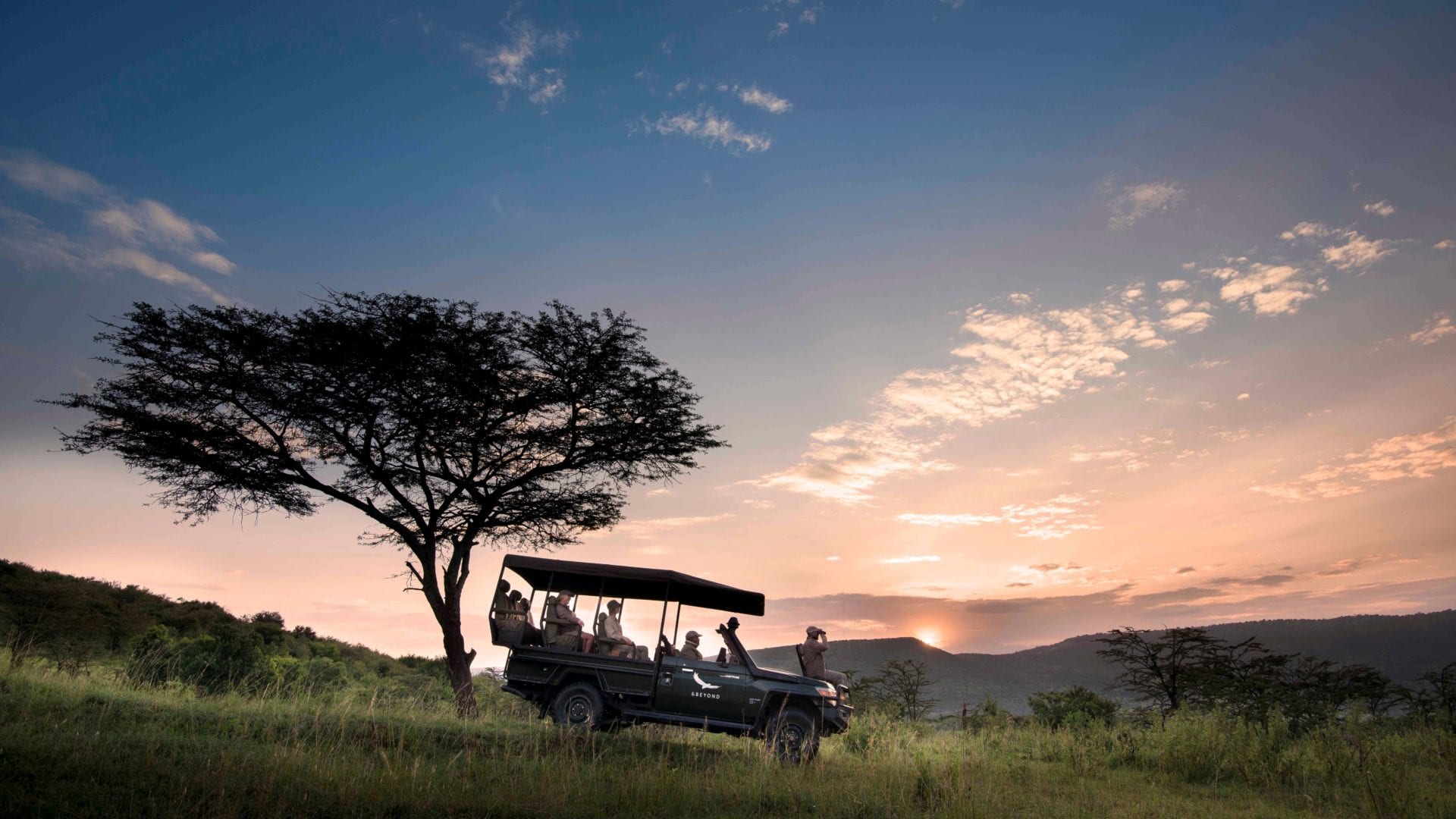
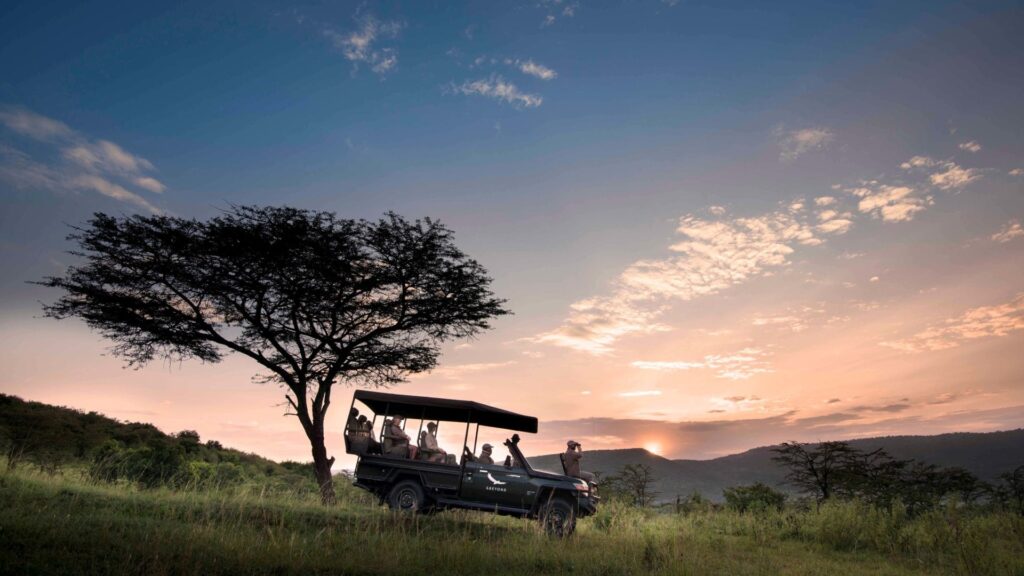
Twice-daily open 4×4 game drives, morning and evening, are the heartbeat of the AndBeyond Klein’s Camp experience. Private vehicles are standard, ensuring that your guide’s focus and the vehicle’s positioning are determined entirely by your group’s interests rather than the least common denominator of a shared departure. Drives in the northern Serengeti concentrate on the Mara River crossings during July–October and on tracking resident predators, elephant herds, and the attendant drama of the kopje ecosystem through the rest of the year.

Mara River Crossing Excursions

During the Great Migration season (broadly July to October), AndBeyond Klein’s Camp guides position vehicles at the Mara River crossing points, gravel banks, and sheer clay ledges above crocodile-dense pools where the wildebeest hesitate, surge, and sometimes tragically fail in their crossing attempt. These are among the most viscerally extraordinary wildlife spectacles on the planet, and proximity to them is the single greatest argument for choosing AndBeyond Klein’s Camp over competing Serengeti lodges.

Walking Safaris

Guided walking safaris depart from the camp and move through the concession on foot, a fundamentally different relationship with the bush than any vehicle affords. At foot level, the Serengeti reveals a world invisible from a Land Cruiser: the dung beetle rolling its ball with improbable determination; the hornbill calling from a branch close enough to examine its absurd casque; and the tracker reading a lion’s spoor in the dust and telling you, with quiet authority, that it passed here two hours ago and was moving south.

Cultural Visits to Maasai Communities

The land around AndBeyond Klein’s Camp is Maasai country, and the lodge maintains a genuine, long-standing relationship with neighboring communities. We offer cultural visits to nearby Maasai bomas, leading them with sensitivity and purpose. This is not performance tourism but an opportunity to understand how the Maasai way of life and wildlife conservation coexist, sometimes uncomfortably, and how programs like the Africa Foundation are working to align their interests. Guests frequently describe these visits as the most intellectually enriching hours of their entire safari.

Fly Camping

For guests who want to deepen their immersion, AndBeyond Klein’s Camp offers fly-camping experiences: nights spent under a minimal canvas in the bush, with a campfire, a guide, and the sounds of the nocturnal Serengeti as your soundtrack. This is adventure distilled.

Guide Quality

&Beyond’s guide training program is among the most rigorous in the safari industry. Guides at AndBeyond Klein’s Camp are educated in ecology, geology, ornithology, and Maasai cultural history, and many hold recognized guiding qualifications from the Tanzania Wildlife Management Authority. The difference between a good guide and an outstanding one is the difference between seeing a lion and understanding it, and this camp consistently produces the latter.

Wildlife Species You Can Expect to See

  • Predators: Lion, leopard, cheetah, wild dog, spotted hyena, jackal
  • Herbivores: Wildebeest (migration and resident herds), zebra, Thomson’s and Grant’s gazelle, topi, eland, elephant, buffalo, giraffe, hippo (Mara River)
  • Primates: Olive baboon, vervet monkey
  • Reptiles: Nile crocodile (Mara River), monitor lizard
  • Birds: Over 500 species recorded in the broader ecosystem, including lilac-breasted roller, secretary bird, martial eagle, and numerous migrant species.

Who Should Stay at AndBeyond Klein’s Camp

AndBeyond Klein’s Camp suits experienced safari travelers and first-timers alike, but it rewards most deeply those who value depth over breadth, guests who would rather spend three nights in one extraordinary place than rush across five. That said, its specific location and character make it a stronger fit for some travelers than others.

Honeymoon and Romantic Couples

The combination of seclusion, beauty, and shared awe that characterizes every day at andBeyond Klein’s Camp makes it one of Africa’s finest honeymoon destinations. The ingredients of romance that no spa or pool architecture can manufacture include the private verandah, the bush dinner under stars, the absence of crowds, and the sense of being somewhere that very few people in the world have ever been. Many couples return for anniversaries.

Families with Children

Children aged 5 and above are welcome at AndBeyond Klein’s Camp, and the camp’s junior-focused game drives and educational approach to guiding give young travelers a genuine introduction to the wild world rather than a simplified version of it. Families should discuss specific requirements, cottage configuration, dietary needs, and activity pacing with their travel consultant in advance.

Wildlife Photographers

For wildlife photographers, particularly those specializing in migration sequences, AndBeyond Klein’s Camp is close to unmatched. The northern Serengeti’s open terrain and exceptional morning and evening light, combined with private vehicle positioning and guides who understand a photographer’s need for patience and angle, make the camp a serious professional tool. The Mara River crossing opportunities during peak season are genuinely unrepeatable, the kind of images that appear on the covers of the publications this lodge’s owner has graced.

Solo Travellers

AndBeyond Klein’s Camp welcomes solo travelers and, on the right departure in low season, can feel like a private camp. Most &Beyond lodges charge a single supplement, which is worth factoring into the budget calculation, but the depth of experience more than justifies it for travelers who prioritize quality of encounter over economy.

First-Time Safari Visitors vs. Repeat Africa Travellers

First-timers will genuinely feel overwhelmed in the best possible way. The game density and guide quality mean the learning curve is steep and joyful, and the all-inclusive structure removes any anxiety about logistics. Repeat visitors, particularly those who have already covered the southern Serengeti and Ngorongoro, come to andBeyond Klein’s Camp for the specific experience of the northern migration corridor, something the central and southern camps simply cannot offer.

Budget Context: Is It Worth the Price?

At USD $1,500–$2,500+ per person per night in high season, &Beyond Klein’s Camp sits firmly in the ultra-luxury tier of Serengeti accommodations. What you are paying for is not thread count; it is exclusivity, expert guiding, conservation impact, and a location that is genuinely finite in its availability. The price-to-experience ratio is entirely defensible for the right traveler who has done their research and understands the significance of northern Serengeti positioning for the migration. If you are price-conscious or do not yet know whether safari resonates with you, consider an entry-level season stay first.

Best Time to Visit AndBeyond Klein’s Camp

The best time to visit andBeyond Klein’s Camp depends entirely on what you want from your safari, but the lodge is exceptional in every season, which is something few Serengeti camps can honestly claim. Its northern position means it catches different parts of the wildlife calendar from lodges in the central and southern Serengeti.

When is the Best Time to go on a Luxury Safari in Tanzania

July to October: Great Migration Peak and Dry Season

This is the headlining season. The wildebeest herds, having grazed north through the western corridor, begin their dramatic push across the Mara River from late June onwards, with peak crossing activity typically occurring between late July and September. AndBeyond Klein’s Camp’s location makes it the single best Tanzanian address for witnessing these crossings. The dry season also concentrates game around waterholes and river courses, making predator sightings superb. Rates are at their highest; advance booking 12–18 months ahead is strongly advised for this period.

November to December: Short Rains and Green Season

The short rains arrive in November, and the bush transforms: the bleached gold of the dry season gives way to vivid green, the light becomes extraordinary for photography, and the lodge is noticeably quieter. Wildlife remains resident and excellent. Rates typically drop into the mid-range, making this a genuinely compelling value window for photographers and travelers who dislike crowds.

January to March: Calving Season and Resident Predators

While the calving season is primarily a southern Serengeti (Ndutu) phenomenon, the northern Serengeti in these months supports large resident populations and exceptional predator activity. Cheetah and lion hunting on the open plains, leopards in the kopje system, and the tender greens of late rains make January–March an underrated season at AndBeyond Klein’s Camp. Fewer crowds. Strong value rates. Extraordinary, quieter game viewing.

April to June: Long Rains and Lowest Rates

The long rains can render some tracks impassable, and cloud cover can limit photography in the early morning. However, the landscape is at its most lush and atmospheric, rates are at their lowest, and some of the most extraordinary sightings, cat kills, elephant family interactions, and bird activity happen in the rains when the bush is at its most productive. Experienced safari travelers who know what they are looking for often deliberately target this season.

Conservation and Community at AndBeyond Klein’s Camp

AndBeyond Klein’s Camp operates within one of the most rigorously managed conservation frameworks of any luxury safari lodge in Africa, and choosing to stay here is a direct contribution to wildlife survival and community development in one of the continent’s most biodiverse regions.

&Beyond’s Conservation Model

&Beyond’s approach is grounded in the principle that wildlife will only survive if it pays for itself at a level that competes with alternative land uses. The company reinvests a significant proportion of lodge revenue into conservation infrastructure, anti-poaching patrols, veterinary support for injured wildlife, land management, and ecological monitoring within and around its concessions. AndBeyond Klein’s Camp’s concession area is actively patrolled, and the lodge works closely with the Tanzania National Parks Authority to maintain the integrity of the broader Serengeti-Mara ecosystem.

The Africa Foundation

&Beyond’s development NGO, the Africa Foundation, operates community programs in the area surrounding &Beyond Klein’s Camp, including support for local schools, women’s enterprise development, and health clinic infrastructure. Guests are invited to visit supported projects during their stay, and a voluntary contribution to the Africa Foundation is built into the lodge’s booking framework.

Community Employment

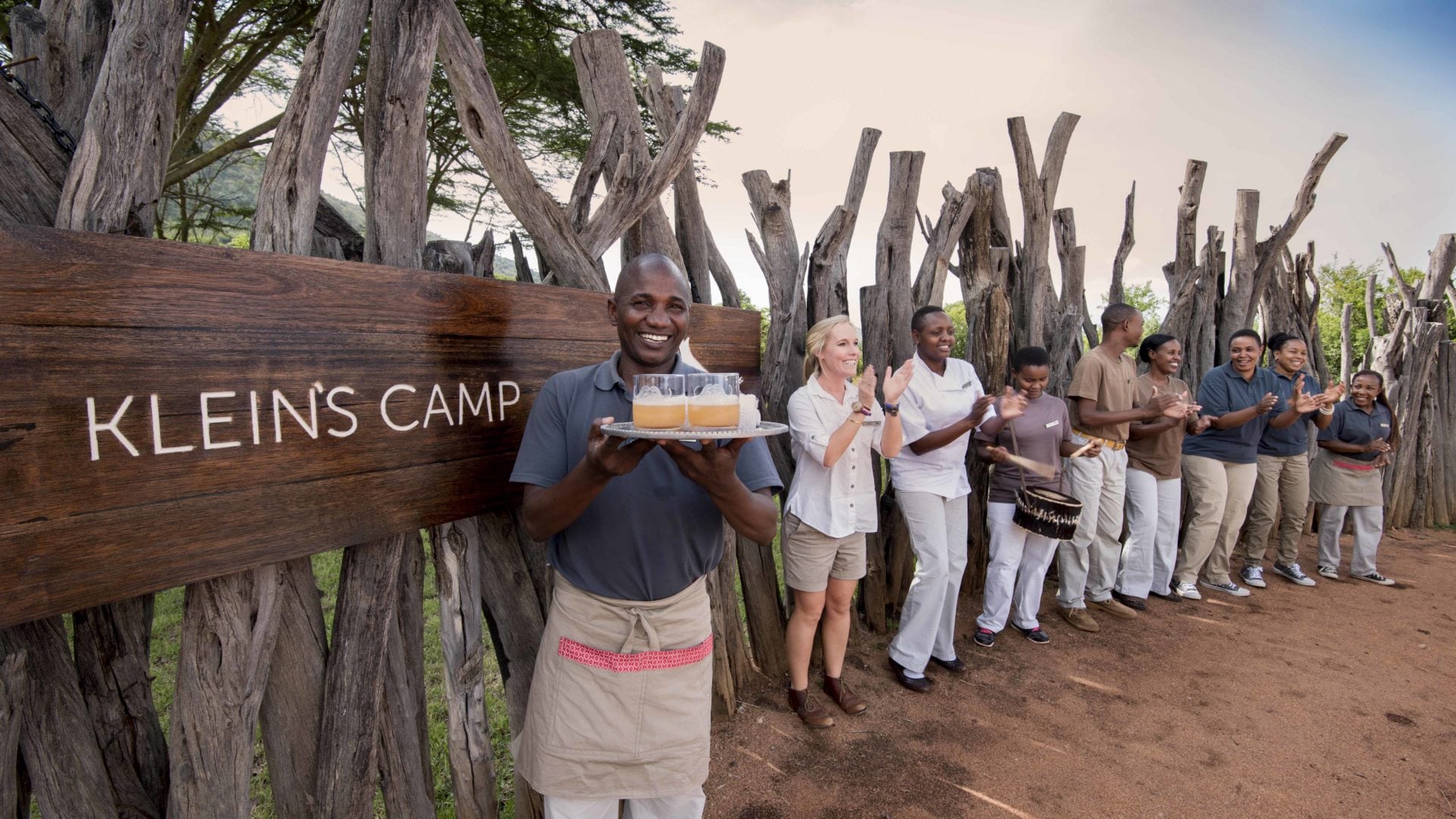
The lodge recruits most of its staff from communities in the Serengeti District, many of whom come from Maasai families with generations of knowledge of this land. Training programs within the &Beyond structure create career pathways from junior camp positions to senior guiding roles. This is an investment in human capital that the communities notice and that generates local ownership of conservation outcomes that foreign-funded programs alone cannot achieve.

Anti-Poaching Efforts

The northern Serengeti’s proximity to the Kenyan border historically made it vulnerable to poaching pressure. AndBeyond Klein’s Camp’s active patrol program, conducted in partnership with relevant authorities, has contributed to a measurable reduction in poaching incidents within the concession [VERIFY specific data]. Guests occasionally hear about these efforts during evening briefings, a reminder that the lions sleeping on the kopjes in front of the lodge are alive, in part, because people chose to stay here.

Planning Your Stay at AndBeyond Klein’s Camp (Practical Travel Tips)

What to Pack

The northern Serengeti climate is warm and sunny by day, with cool to cold mornings and evenings, particularly between May and August. Elevation at the Kuka Hills adds a bite to early-morning departures.
Packing list for an African Safari

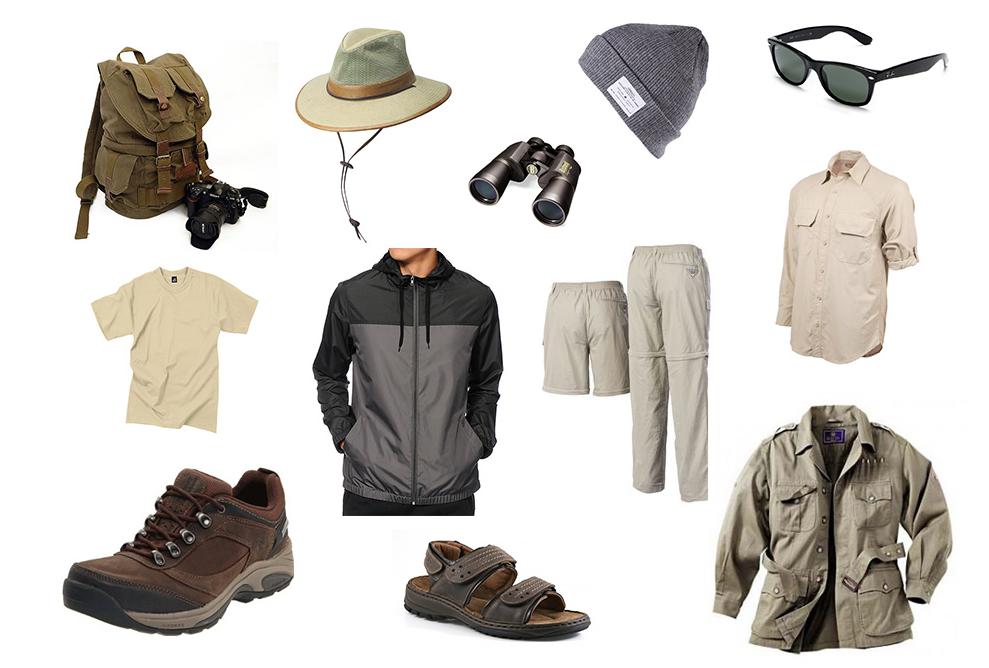
  • Clothing: Neutral colors (khaki, tan, olive, and grey; avoid white and bright colors on game drives). A warm fleece or down jacket for morning drives June–August. Light long-sleeved layers for evening. Smart-casual is the dress code for dinner.
  • Footwear: Comfortable enclosed shoes or lightweight hiking boots for walking safaris. Flip-flops or sandals for camp.
  • Photography gear: Extra memory cards, dust bags for lenses, a beanbag for vehicle-mounted shooting.
  • Essentials: High-SPF sunscreen, insect repellent (DEET-based for optimal protection), personal medications, and quality sunglasses.

Health and Vaccination Notes

Tanzania requires no specific vaccination certificate for entry unless you are arriving from a yellow fever zone; in this case, a yellow fever vaccination certificate is mandatory. However, the following are strongly recommended:

  • Malaria prophylaxis essential; consult your travel health clinic for current recommendations (typically Malarone or Doxycycline)
  • Routine vaccines up to date Hepatitis A, Typhoid, and tetanus are standard travel health advice for East Africa
  • Altitude at the Kuka Hills is not high enough to cause altitude sickness, but the elevation does mean UV exposure is stronger than at sea level

Consult a travel health professional at least 6–8 weeks before departure.

Payment, Tipping, and What Is Included

AndBeyond Klein’s Camp operates on a fully all-inclusive rate covering accommodation, all meals, twice-daily game drives, selected beverages (alcoholic and non-alcoholic), laundry, and park fees [VERIFY exact inclusions]. Items typically excluded include premium wines and spirits, spa treatments if available, international flights, and travel insurance.

Tipping: A communal tip box is the norm at &Beyond camps, with contributions distributed among all staff, including those unseen in the kitchen and laundry. A typical guideline is USD $15–$25 per person per day for camp staff, with an additional USD $10–$20 per person per day for your specific guide. These are guidelines, not obligations, but staff members welcome them and find them significant to their livelihoods.

You can typically pay for any on-site extras using a major credit card or USD cash.
Safari Packages That Include AndBeyond Klein's Camp

AndBeyond Klein’s Camp features in several of our most requested Tanzania safari itineraries, each structured to maximize the camp’s unique strengths within a broader Tanzania experience.

The Great Migration Complete

A full south-to-north migration-following itinerary that begins in the Ndutu calving grounds, moves through the central Serengeti, and culminates at AndBeyond Klein's Camp for the river crossing season.
The Great Migration Complete

Tanzania’s Northern Circuit Classic

(8 nights)
The definitive introduction to Tanzania's finest wildlife areas: Tarangire, Ngorongoro, and the Serengeti, with three nights at andBeyond Klein's Camp to anchor the northern experience.
Tanzania's Northern Circuit Classic

Serengeti Migration & Maasai Mara Fly-In

(7 nights)
A focused fly-in itinerary covering both sides of the Mara ecosystem: three nights at AndBeyond Klein's Camp on the Tanzanian side, then crossing into Kenya's Maasai Mara.
Serengeti Migration & Maasai Mara Fly-In

Luxury Honeymoon Tanzania

(10 nights)
A romantic itinerary crafted around privacy, beauty, and memorable moments, combining andBeyond Klein's Camp with Zanzibar's Indian Ocean coastline. .
Luxury Honeymoon Tanzania

Frequently Asked Questions About AndBeyond Klein’s Camp


What is AndBeyond Klein’s Camp known for?

AndBeyond Klein’s Camp is most renowned for its unparalleled position on the northern boundary of the Serengeti, bordering Kenya’s Maasai Mara. This location gives guests exceptional access to the Mara River crossing points where the Great Migration’s most dramatic scenes unfold each year between July and October. Beyond the migration, the camp is recognized for its outstanding private-vehicle guiding, intimate scale (just 10 cottages), and deep integration with &Beyond’s award-winning conservation and community programs.

How many rooms does AndBeyond Klein’s Camp have?

AndBeyond Klein’s Camp has ten tented stone-and-canvas cottages, each positioned on the Kuka Hills ridgeline for maximum privacy and views across the northern Serengeti valley. The small number of cottages ensures that the camp never feels crowded, that guides give personalized attention, and that the overall atmosphere is closer to a private camp than a conventional lodge.

When is the best time to visit AndBeyond Klein’s Camp for the Great Migration?

The best time to visit AndBeyond Klein’s Camp for Great Migration river crossings is July through October, with peak crossing activity generally occurring in late July and August. The exact timing varies year to year depending on rainfall patterns and herd movement. However, the northern Serengeti also offers exceptional resident wildlife year-round, making the camp worthwhile in any season. Calving season from January to March and the lush green season from November to December are both underrated.

Is AndBeyond Klein’s Camp all-inclusive?

Yes. AndBeyond Klein’s Camp operates on an all-inclusive basis that covers accommodation, all meals, twice-daily game drives, selected beverages (alcoholic and non-alcoholic), and laundry. Park fees are included in the nightly rate. Premium wines, spirits, spa services (if applicable), international flights, and travel insurance are not included. It is important to confirm the exact inclusions at the time of booking, as the policy can occasionally be updated.

How do you get to AndBeyond Klein’s Camp?

The best way to reach AndBeyond Klein’s Camp is by light aircraft to the private Klein’s Camp airstrip, located directly below the lodge. Charter and scheduled flights operate from Arusha (approximately 1 hour 10 minutes) and can be connected to Kilimanjaro International Airport or Dar es Salaam. Road transfer from Arusha is possible but takes 8–10 hours and is best combined with en route lodge stops rather than undertaken as a direct journey.

What wildlife can you see at AndBeyond Klein’s Camp?

Guests at AndBeyond Klein’s Camp can expect to see lions, leopards, cheetahs, elephants, buffalo, giraffes, zebras, and the full suite of northern Serengeti plains game. During the Great Migration season, wildebeest crossings of the Mara River are the headline spectacle. Nile crocodiles, hippos, and hundreds of bird species, including the lilac-breasted roller and martial eagle, are residents year-round. People occasionally sight wild dogs in this corridor.

Is AndBeyond Klein’s Camp suitable for children?

Yes. AndBeyond Klein’s Camp welcomes children aged 6 and above [VERIFY minimum age policy]. The camp offers junior-focused game drives adapted in pace and content for younger guests, and you can configure family cottages by booking adjacent units. Families should communicate children’s ages, dietary requirements, and any special needs at the time of booking so the camp can prepare appropriately.

What is the price range for AndBeyond Klein’s Camp?

AndBeyond Klein’s Camp is positioned firmly in the ultra-luxury tier, with nightly rates ranging from approximately USD $1,500 per person in the green season to USD $2,500 or more per person in peak high season (July–October). These rates are all-inclusive and encompass accommodation, meals, game drives, and activities. The rate represents not only accommodation but also direct contribution to conservation and community programs.

What activities are available at andBeyond Klein’s Camp?

The main activities at AndBeyond Klein’s Camp are twice-daily private 4×4 game drives, guided walking safaris in the Kuka Hills concession, Mara River crossing excursions during migration season, and cultural visits to neighboring Maasai communities. The activity schedule weaves in bush dinners, sundowner stops, and breakfast-in-the-bush dining experiences as a matter of course. Fly-camping may be available on request.

What is the difference between AndBeyond Klein’s Camp and other Serengeti lodges?

The defining difference is location. AndBeyond Klein’s Camp sits on a private concession in the far northern Serengeti, adjacent to the Kenyan border and within range of the Mara River crossing grounds. Most other Serengeti lodges sit in the central or southern Serengeti, requiring significantly longer drives to access the northern migration routes. Klein’s Camp is also one of the smallest luxury lodges in the ecosystem, with just 10 cottages versus competitors that may accommodate 60 or more guests.

Does andBeyond Klein’s Camp have WiFi?

Yes, WiFi is available at AndBeyond Klein’s Camp, though the connection is functional rather than high-speed. The remote location means bandwidth is limited. Most guests find that the combination of the bush environment and the activity schedule naturally reduces the inclination to be online, and many describe the limited connectivity as one of the camp’s most restorative qualities.

What should I pack for AndBeyond Klein’s Camp?

Pack neutral-colored safari clothing (khaki, olive, tan; avoid bright colors and white on game drives); a warm fleece or down jacket for cool mornings and evenings (especially June–August); sunscreen; DEET-based insect repellent and comfortable enclosed shoes for walking safaris. A quality camera and a beanbag for vehicle-mounted shooting are recommended if you intend to photograph wildlife seriously. See the full packing guide in the Planning section above for more detail.

Is AndBeyond Klein’s Camp worth the price?

For the right traveler, someone who values exceptional wildlife access, expert guiding, intimacy, and conservation impact over resort-style amenities, AndBeyond Klein’s Camp offers among the best price-to-experience ratios in the ultra-luxury safari tier. The combination of its unique northern Serengeti position, small scale, and the &Beyond guiding and conservation standards makes it genuinely difficult to replicate elsewhere. Travellers visiting primarily for the Great Migration river crossings will find that few destinations on the planet justify premium pricing as compellingly as this one.

Can I visit AndBeyond Klein’s Camp as a day trip from the central Serengeti?

A day visit to the northern Serengeti from a centrally located camp is theoretically possible but logistically impractical; the distances involved consume the majority of available game-viewing hours. The northern Serengeti, and AndBeyond Klein’s Camp in particular, rewards a minimum of three nights to properly absorb both the wildlife experience and the rhythm of the camp. Fly-in arrivals allow the most efficient use of time.

Other Luxury Lodges You May Also Consider

Nomad Lamai

This is a smaller, slightly lower-priced camp also in the northern Serengeti’s Lamai Wedge, offering strong migration access and an informal, genuinely adventurous atmosphere.

Nomad Lamai

Four Seasons Safari Lodge Serengeti

Positioned near Seronera and ideal for year-round resident game, it trades the exclusivity and intimacy of Klein’s for comfort, amenity range, and accessibility.

Four Seasons Safari Lodge Serengeti

AndBeyond Klein’s Camp is, at its core, a place that changes the way you see the world. Not because of any single experience not the crossing you watched from the Mara River bank, not the lion kill at dawn on the Kuka escarpment, and not the dinner under a sky with more stars than darkness but because of the accumulated weight of all of them, experienced from a lodge that never competes with its landscape, which only deepens your relationship with it.

For the discerning traveller willing to commit to the northern Serengeti’s remote rewards, it stands as one of the finest safari addresses on the African continent: small enough to feel personal, expertly guided, genuinely purposeful in its conservation work, and positioned at the beating heart of the greatest wildlife spectacle on earth. There is no adequate substitute for it, and there is no better base from which to understand what the word “wilderness” actually means.

Explore our Tanzania safari packages to begin building your AndBeyond Klein’s Camp itinerary, or contact our team to begin a tailor-made consultation.