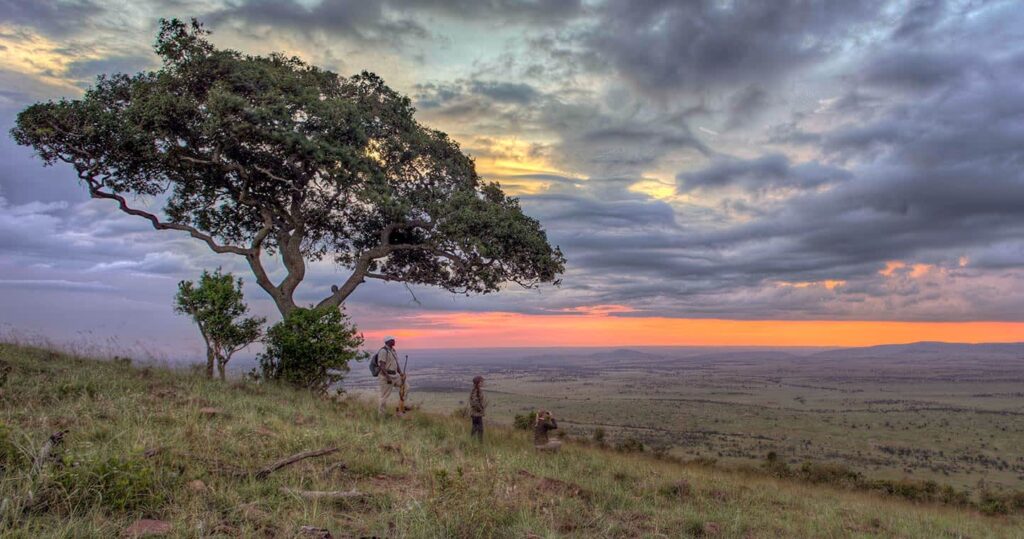
The main activities at Lemala Ewanjan Tented Camp are guided game drives and a hot air balloon safari, all in Seronera’s prime wildlife area. Seronera ranks among the best places in Africa to see leopards, lions, and cheetahs hunting, which is why the camp has a short activity list but offers extensive game viewing.
Game Drives
Daily game drives run in open 4×4 vehicles with an expert guide. Morning drives find predators finishing the night’s hunt. Afternoon drives cover the Seronera River, the kopjes, and the plains. Full-day drives with a picnic lunch reach further, and night drives are available where the park permits them. Luxury Safaris Tanzania can arrange a private vehicle and guide so you set the pace.
Hot Air Balloon Safari
Lemala lists a balloon safari among the camp’s experiences. You float silently over the plains at sunrise, then land for a champagne bush breakfast. Read our full guide to Serengeti hot air balloon safaris for timing, duration, and booking advice. Balloon flights are an optional extra and tend to book out during peak season.
Guided Bush Walks and Lemala Cubs
Some sources list guided bush walks at the camp, which show you tracks, dung, insects, and plants that vehicles pass at speed. Children aged six and above can join the Lemala Cubs junior-ranger program.
Wildlife You Can Expect
Seronera’s wildlife density is the reason to come. The species below are the ones guests most often log.
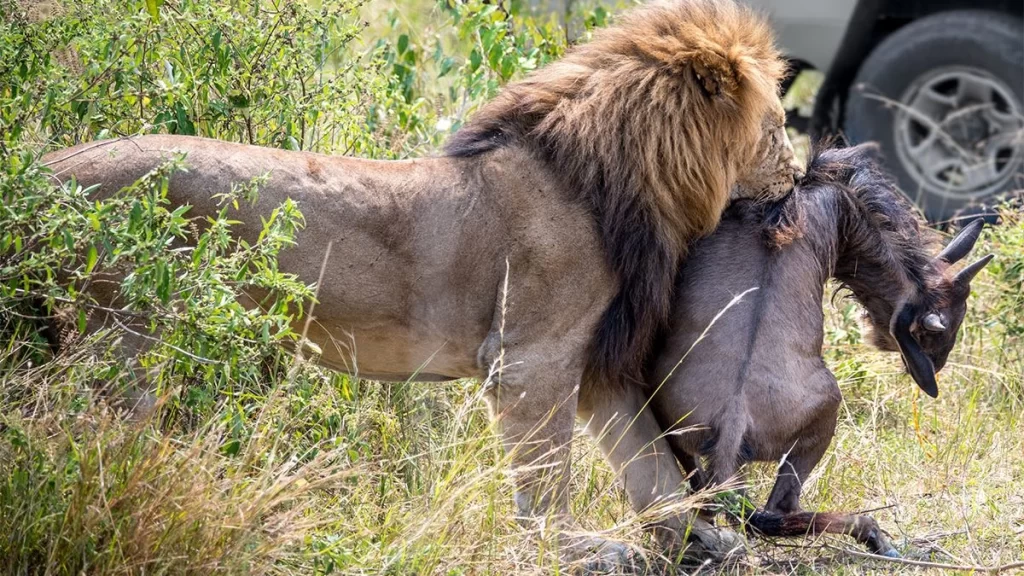
- Big cats: lions, leopards in the riverine trees, and cheetahs on the open plains
- Big Five and large mammals: elephant, buffalo, giraffe, and hippo; the black rhino is very rare and mostly seen in the Moru Kopjes area.
- Herds: wildebeest and zebra, Thomson’s gazelle, topi, hartebeest, and eland
- Other predators: spotted hyenas, jackals, servals, and wild dogs on rare occasions
- Birds: secretarybird, kori bustard, lilac-breasted roller, martial eagle, ostrich, and many raptors; the Serengeti records more than 500 species.
Guide Quality
Lemala’s guides know the Seronera tracks, the leopard trees, and the hunting patterns of resident prides. We ask every camp partner about guide experience and qualifications, and we can request a specific guide for your dates. Our team plans every transfer and briefing so the first morning goes smoothly.
Who Should Stay Here
Lemala Ewanjan Tented Camp is ideal for travellers who value wildlife, atmosphere, and seclusion more than a long list of facilities. It works for honeymooners, families, photographers, and repeat Africa visitors, and it is a strong first-safari choice if you accept canvas rather than a pool.
Honeymoon and Romantic Couples
The blind valley setting, deck views, campfire evenings, and optional bush dinner give couples privacy without isolation. If you want a private plunge pool and a more contemporary suite, compare Lemala Nanyukie and Singita Sasakwa Lodge.
Families With Children
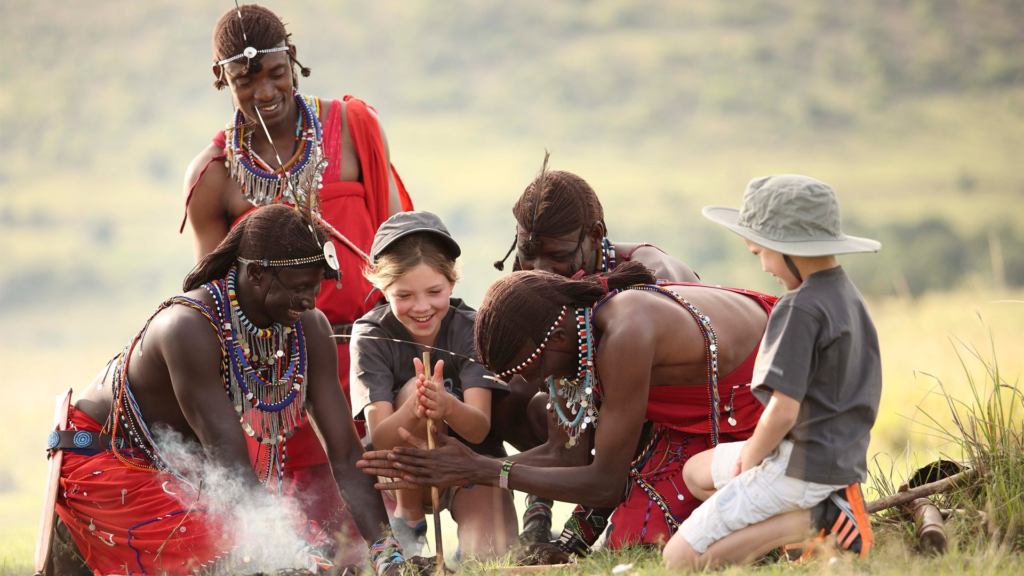
Children are welcome, and the two-bedroom tents plus the Lemala Cubs program make this one of the more family-friendly camps in Central Serengeti. Parents should note that the camp is unfenced, so children need supervision at all times. Our 12-day luxury family safari and Zanzibar holiday show how we pace trips with younger travellers.
Solo Travellers
Solo guests can stay here, though single supplements apply in most seasons. The shared mess tent and family-style dinners are ideal for solo travellers who enjoy conversation.
Wildlife Photographers
Seronera’s leopards, open plains, and soft light reward patient photographers. Request a private vehicle with a roof that opens fully, and ask your guide to position you for low-angle shots at sunrise. The camp’s calm setting also makes it easy to charge batteries and back up images in the lounge.
First-Time Safari Travellers vs. Repeat Africa Visitors
First-timers get a reliable, high-sighting introduction to the Serengeti. Repeat visitors value the camp’s intimacy and its distance from the busiest Seronera tracks. Both groups should accept that the facility is a tented camp with bush-style comforts, not a lodge.
Is It Worth the Price?
Lemala’s published full-board rates start at about US$305 per person per night in the low season and reach about US$595 in the high season. That includes accommodation, meals, house drinks, Wi-Fi, and laundry, but excludes park fees, activities, airstrip transfers, champagne and premium drinks, and government levies. For the Seronera location, those rates sit at the accessible end of luxury Serengeti camps. Our guide to the best places to stay near Serengeti National Park compares tiers.
Best Time to Visit
The best time to visit Lemala Ewanjan Tented Camp depends on your priorities: June to October for dry-season game viewing, April to June and November to January for the Great Migration passing through Seronera, and the green season for lower prices. Big cats stay in Seronera in every month.

Month-by-Month Guide for Seronera
| Month |
What to expect at the camp |
| January |
Short rains ease; herds moving through Central and Southern Serengeti; green plains; excellent cat viewing |
| February |
Calving peaks on the southern Ndutu plains; Seronera is quieter, and resident predators remain. |
| March |
Green, warm, and quiet; rates drop from 1 March; long rains approach. |
| April |
Long rains begin; migration moves north through central Serengeti; fewest visitors |
| May |
Lush landscapes, birdlife, and low rates; herds heading toward the Western Corridor |
| June |
Dry season starts; migration still crosses the area; mid-season rates |
| July |
High season begins; clear skies; short grass; herds pushing north |
| August |
Peak dry season; excellent resident big-cat viewing; most herds in the north |
| September |
Peak season continues; stable weather; book early. |
| October |
Dry and dusty; mid-season rates; first herds start moving south |
| November |
Short rains arrive; migration returns through Seronera; low rates until 19 December |
| December |
Green plains and herds in the area; festive high-season rates from 20 December |
Our best time to visit Serengeti National Park guide explains how the migration shifts from year to year. Timing varies by a few weeks, so we plan flexible dates around the rains.
Wildlife Highlights by Season
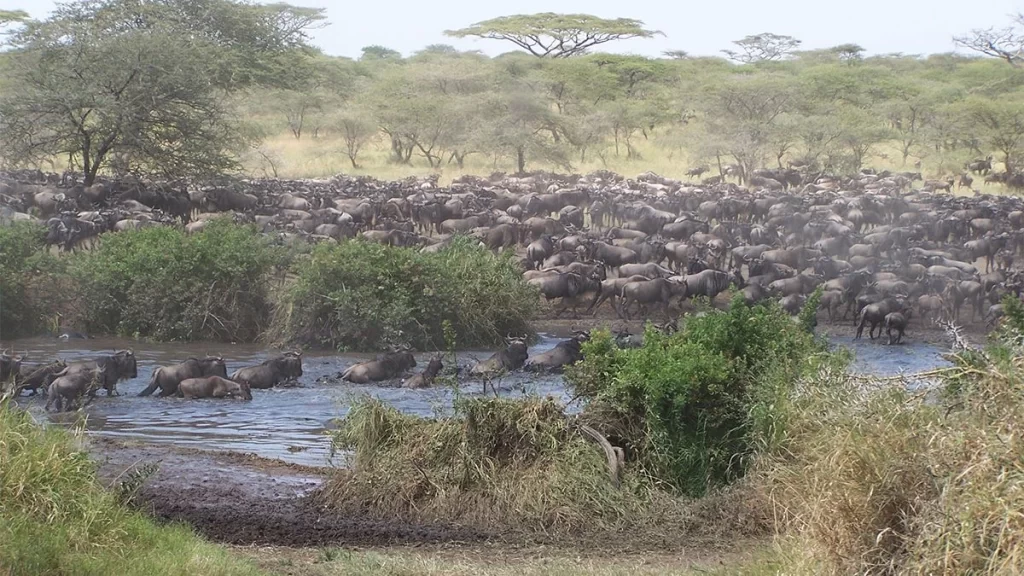
In the dry season, water draws prey to the Seronera River, and predators follow, so leopard and lion sightings peak. During migration months, giant herds cross the valley and the Seronera plains, with crocodile-and-predator scenes at the river crossings further north. In the green season, newborn animals, migratory birds, and dramatic skies suit photographers. You can read more about the herds in our Great Wildebeest Migration guide.
Crowds and Pricing Context
Lemala has published the following seasons for the camp:
| Season |
Dates (2027 to 2028) |
Approx. rate per person sharing, per night |
| Low |
1 Nov to 19 Dec; 1 Mar to 31 May |
US$305 |
| Mid |
1 to 30 June; 1 to 31 Oct; 6 Jan to 28 Feb |
US$427 |
| High |
1 Jul to 30 Sep; 20 Dec to 5 Jan |
US$595 |
Peak months bring more vehicles to Seronera’s famous sightings, although the camp’s secluded valley protects your evenings. Green-season guests enjoy emptier tracks and lower rates, with some trade-offs in road conditions and weather.
Conservation & Community
Lemala Camps & Lodges, the operator of Lemala Ewanjan Tented Camp, runs on solar power, supports the Serengeti De-snaring Program, and funds community employment and education projects. Staying here puts a share of your money into conservation and local livelihoods.
Conservation and Anti-Poaching
Lemala says it supports the Serengeti De-snaring Programme, which removes the wire snares that poachers set for bushmeat. The program reports removing more than 100,000 snares from the park since 2017 and freeing more than 600 animals alive. Snares kill indiscriminately: wildebeest are the target, but predators, giraffes, and elephants die in them too.
The operating footprint is small. Lemala states that its properties run entirely on solar power, remove single-use plastic water bottles inside the parks, treat water with reverse-osmosis plants, and use biodegradable lunch boxes. The company also says it upcycles plastic left in the parks into school desks and chairs.
Community Employment and Education
- A women’s empowerment group in Mto wa Mbu that employs 32 women to make Lemala’s biodegradable lunch boxes
- Internships for young people from disadvantaged backgrounds, with a pathway to full-time work
- A program that makes and donates reusable sanitary pads so village girls can stay in school
- Maasai Chief Lebolo, who trains and places askaris from his village in Lemala camps and hosts guests in his boma
- Local sourcing: coffee from Karatu, dairy from the slopes of Kilimanjaro, and produce from Arusha’s central market
Why Staying Here Is an Ethical Choice
You can judge a camp’s ethics by what it does, not what it says. Lemala publishes specific projects, sources locally, and commits to solar power. We recommend asking any camp for its current figures, and we do the same before we recommend one. Check the camp’s own Lemala Ewanjan Tented Camp page for current details.
Planning Your Stay: Practical Travel Tips
Plan on a minimum of two to three nights at Lemala Ewanjan Tented Camp, pack layers for cool mornings, and arrange vaccinations and malaria prophylaxis with your doctor before you fly. Our team handles transfers, permits, and payments, so you only manage the packing.
What to Pack
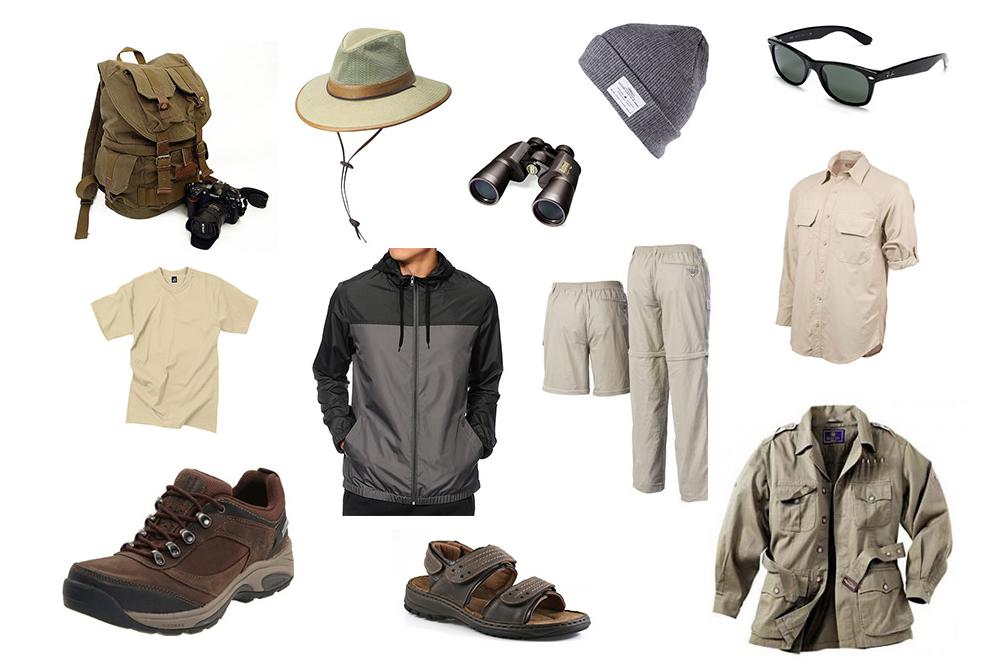
- Neutral, lightweight layers; the Serengeti averages roughly 24 to 27°C by day, but mornings and evenings run cool.
- A warm fleece or jacket for early game drives and balloon flights
- A rain shell if you travel between November and May
- Broad-brimmed hat, sunglasses, high-factor sunscreen, and insect repellent
- Binoculars, spare camera batteries, and a dustproof camera bag
- Soft-sided bags if you fly; light aircraft usually limit luggage to about 15 kg per person.
Health and Vaccination Notes
Consult a travel clinic six to eight weeks before departure. Doctors commonly recommend malaria prophylaxis and routine vaccinations, and Tanzania may require a yellow fever certificate if you arrive from a country with yellow fever risk. Visas are available on arrival or online in advance. See our safari FAQs for general guidance.
Payment, Tipping, and What Is Included
Lemala’s full-board rate includes accommodation in a standard tent, all meals, house drinks, Wi-Fi, and laundry. It excludes park entry and concession fees, activities, airstrip transfers, champagne and premium drinks, and government levies. Tipping is customary: we give guests a guideline for guides and camp staff in their pre-departure pack. We take secure online payments, and every booking carries ATOL protection.
How to Combine the Camp With Other Parks
Lemala Ewanjan Tented Camp fits neatly into a northern-circuit route. Start in Tarangire National Park or Lake Manyara, descend into the Ngorongoro Conservation Area, then cross into the Serengeti. Lemala also operates Lemala Ngorongoro Tented Camp on the crater rim and Lemala Mpingo Ridge above the Tarangire Valley, which allows a one-operator route. For the northern Serengeti in peak months, add &Beyond Klein’s Camp on the Mara border. Finish on the coast with our Zanzibar beach experience, or add a Kilimanjaro trek beforehand. Browse our combined African safaris for multi-country ideas.
Frequently Asked Questions About Lemala Ewanjan Tented Camp
Where is Lemala Ewanjan Tented Camp located?
Lemala Ewanjan Tented Camp sits in the Seronera Valley of Central Serengeti National Park, Tanzania, at the base of Makoma Hill. The camp occupies the closed end of a blind valley, so other vehicles do not pass through. Seronera Airstrip is about 25 to 30 minutes away by game drive, and the Seronera River system, famous for leopards and lions, runs nearby.
How many rooms does Lemala Ewanjan Tented Camp have?
Lemala Ewanjan Tented Camp has 12 en-suite tents, including two-bedroom family tents. Each standard tent has two queen-size or double beds, a private deck, a flush toilet, and a safari-style shower. The small scale keeps the atmosphere intimate and the game viewing uncrowded.
How much does Lemala Ewanjan Tented Camp cost per night?
Lemala’s published full-board rates range from about US$305 per person per night sharing in the low season to about US$595 in the high season, with a mid-season rate of around US$427. Rates exclude park fees, activities, airstrip transfers, champagne, premium drinks, and government levies. Luxury Safaris Tanzania prices every extra in one clear quote.
What is the nearest airstrip to Lemala Ewanjan Tented Camp?
The nearest airstrip is Seronera Airstrip, roughly a 25- to 30-minute drive from the camp. Scheduled flights connect Seronera with Arusha in about one hour. Guests who arrive at Kilimanjaro International Airport usually connect through Arusha. Airstrip transfers cost extra, so we add them to your itinerary quote.
Is Lemala Ewanjan Tented Camp good for families with children?
Yes. Lemala welcomes children, offers two-bedroom family tents, and runs the Lemala Cubs junior-ranger program. The camp is unfenced, so parents must supervise children closely. We pace family safaris with shorter drives, rest days, and guides who engage young travellers.
When is the best time to visit Lemala Ewanjan Tented Camp?
The best time depends on your priority. June to October offers dry-season game viewing, while April to June and November to January are the best times to see the Great Migration through Seronera; the green season from March to May provides lower rates and lush scenery. Big cats live in Seronera year-round, so no month is poor for wildlife.
Can you see the Great Migration from Lemala Ewanjan Tented Camp?
Often, yes. Lemala says the wildebeest migration crosses the Seronera area between April and June and again between November and January. Herd positions shift with the rains by a few weeks each year, so we build flexible dates and extra nights into your plan. Resident predators supply excellent game viewing even when the herds are elsewhere.
Does Lemala Ewanjan Tented Camp have WiFi?
Lemala provides complimentary internet in the lounge and bar areas and device charging in the lounge, bar, and tents. Signal speeds suit messages and light browsing, not video calls. Most guests treat the limited connection as part of the bush experience and plan a digital break.
What is included in a stay at Lemala Ewanjan Tented Camp?
Lemala’s full-board rate includes accommodation in a standard tent, all meals, house drinks, Wi-Fi, and laundry. It excludes park entry and concession fees, activities such as game drives and balloon flights, airstrip transfers, champagne and premium drinks, and government levies. We confirm exact inclusions in your written quote.
Does Lemala Ewanjan Tented Camp have a swimming pool?
No pool appears in the camp’s published facilities, and the tents have no private plunge pools. The camp focuses on game viewing, decks, a mess tent, and a campfire. Guests who want a pool and plunge-pool suites often consider Lemala Nanyukie, about a 45-minute drive from Seronera Airstrip.
Is Lemala Ewanjan Tented Camp worth the price?
For most guests, yes, if wildlife and atmosphere matter more than amenities. The camp sits in Seronera’s year-round big-cat country, in a quiet valley, at rates that sit below many ultra-luxury Serengeti properties. If you want spa treatments, a pool, or butler service, a different property fits better.
What is the difference between Lemala Ewanjan and Lemala Nanyukie?
Both camps are Lemala properties in Central Serengeti. Lemala Ewanjan Tented Camp is a classic tented camp with 12 tents in a secluded valley near Makoma Hill. Lemala Nanyukie is a more contemporary tented lodge east of Seronera with plunge pools, a swimming pool, and a spa tent. Many guests combine them.